












28/07/2026
FCC Medio Ambiente continues to roll out Badalona's new urban services
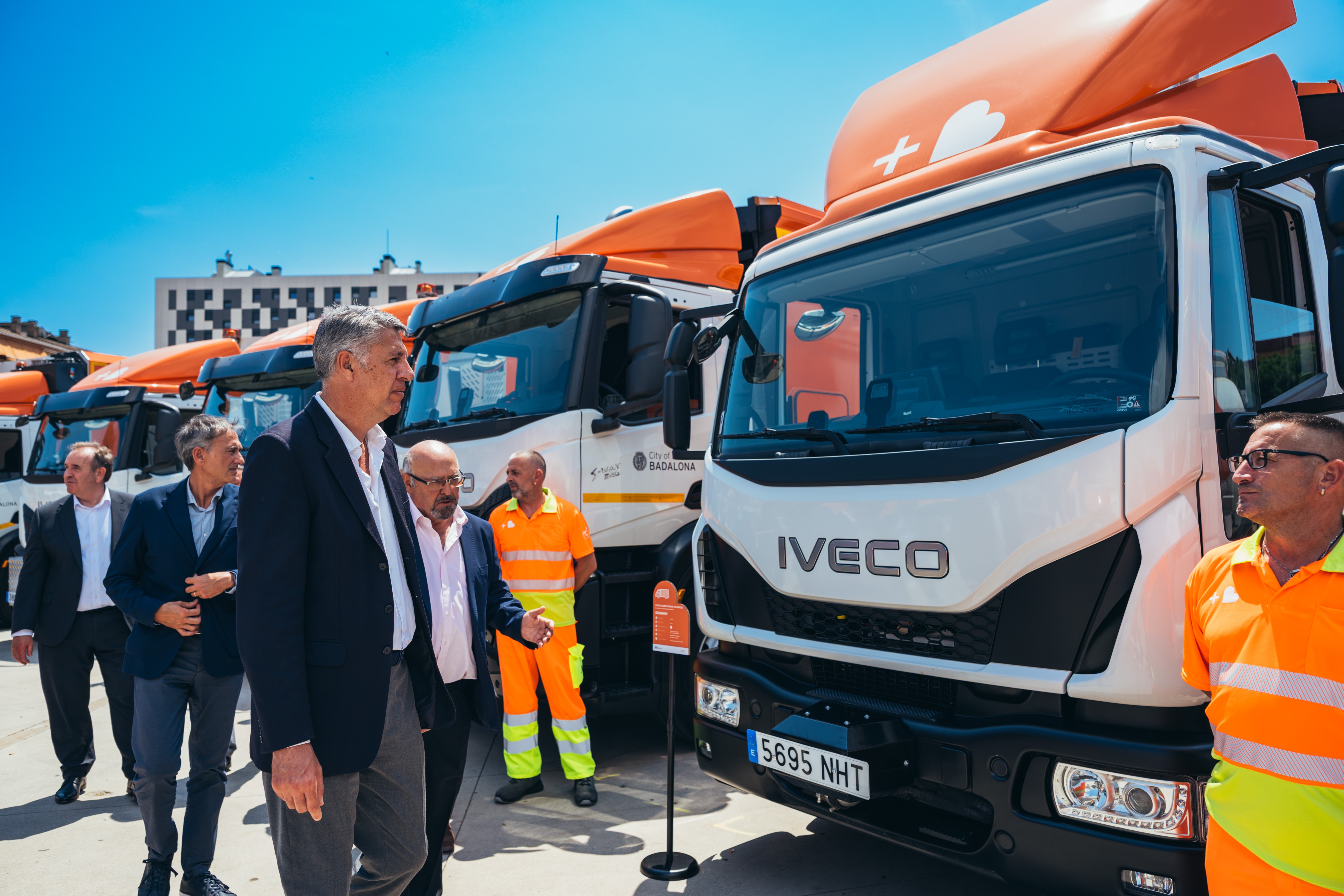
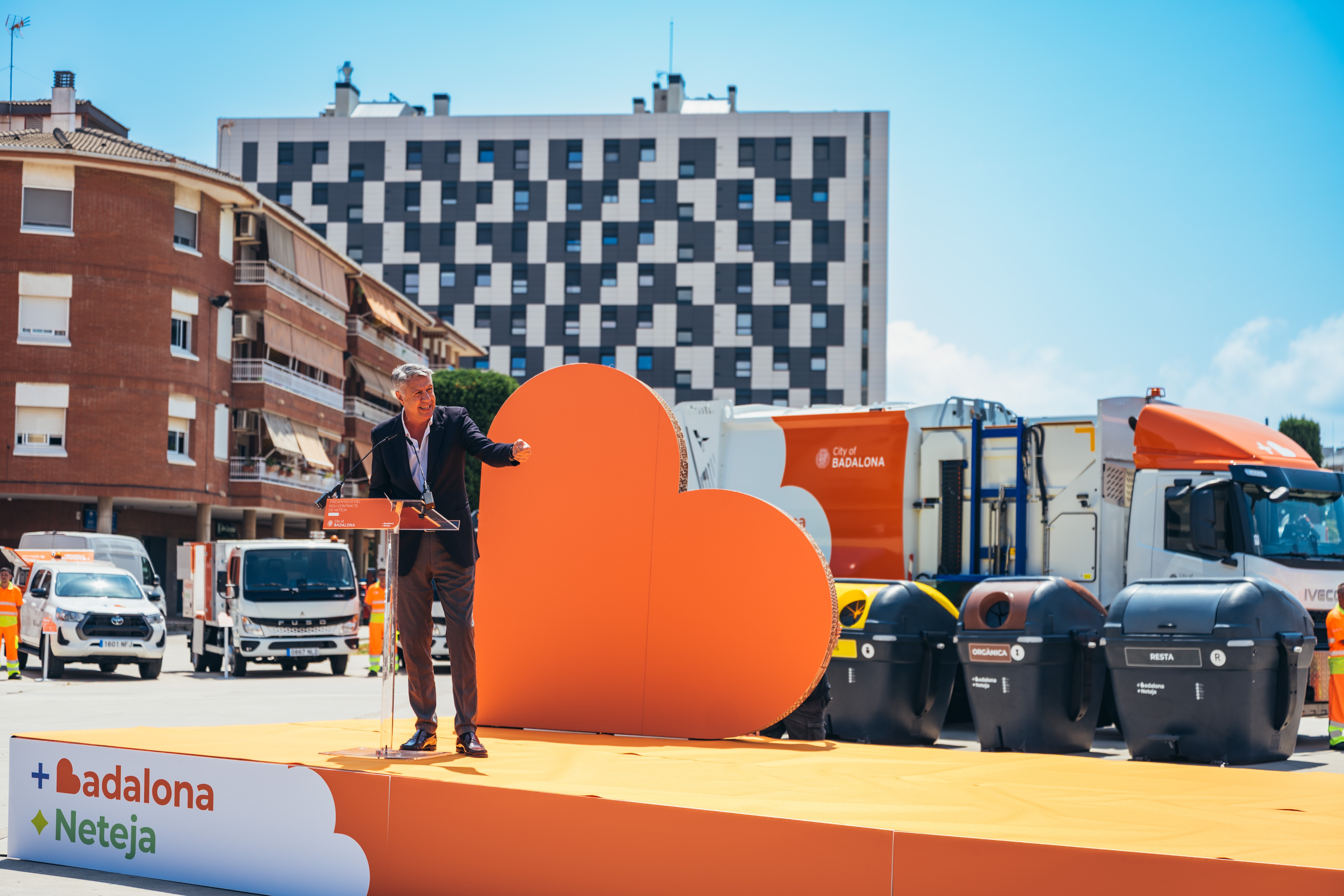
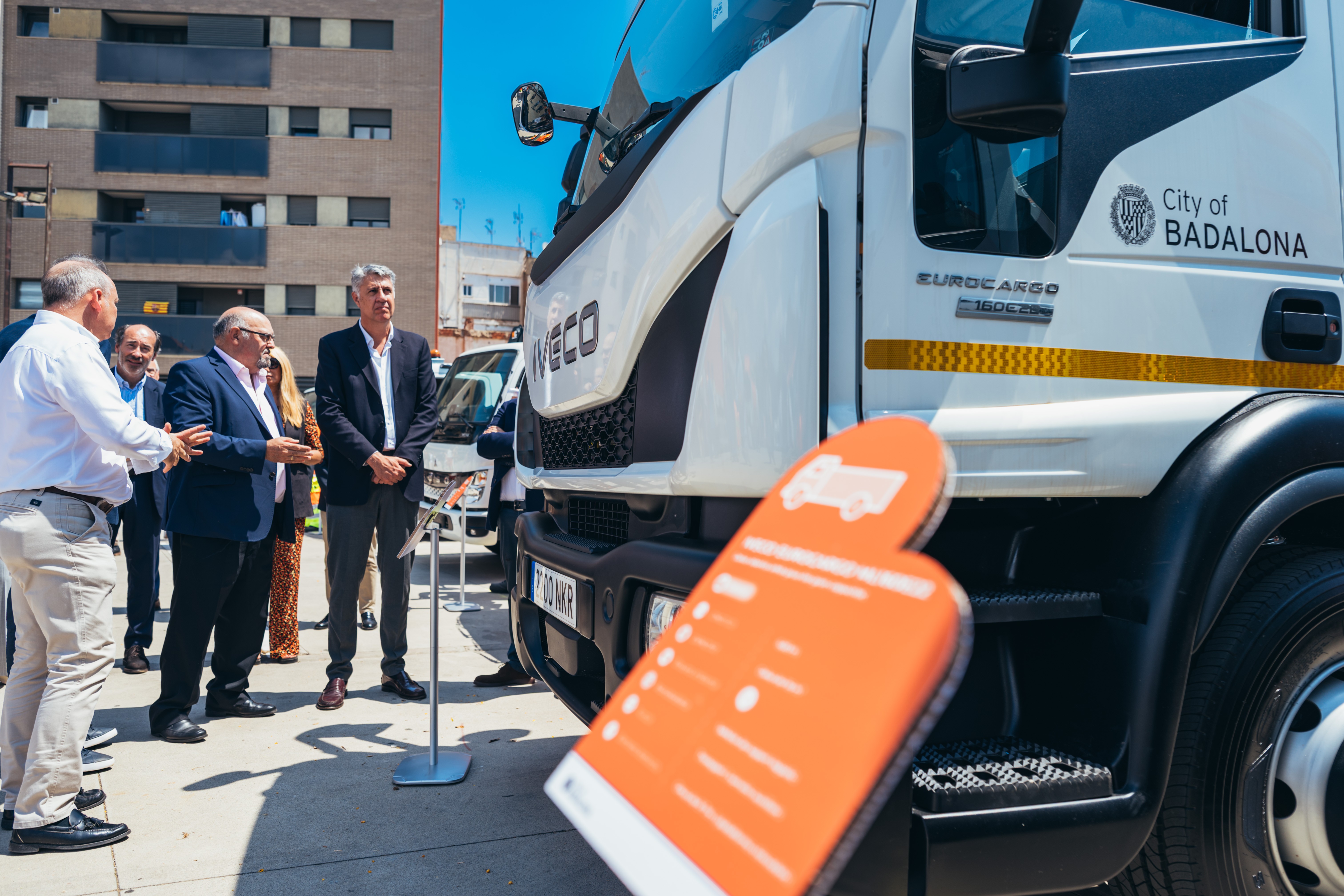
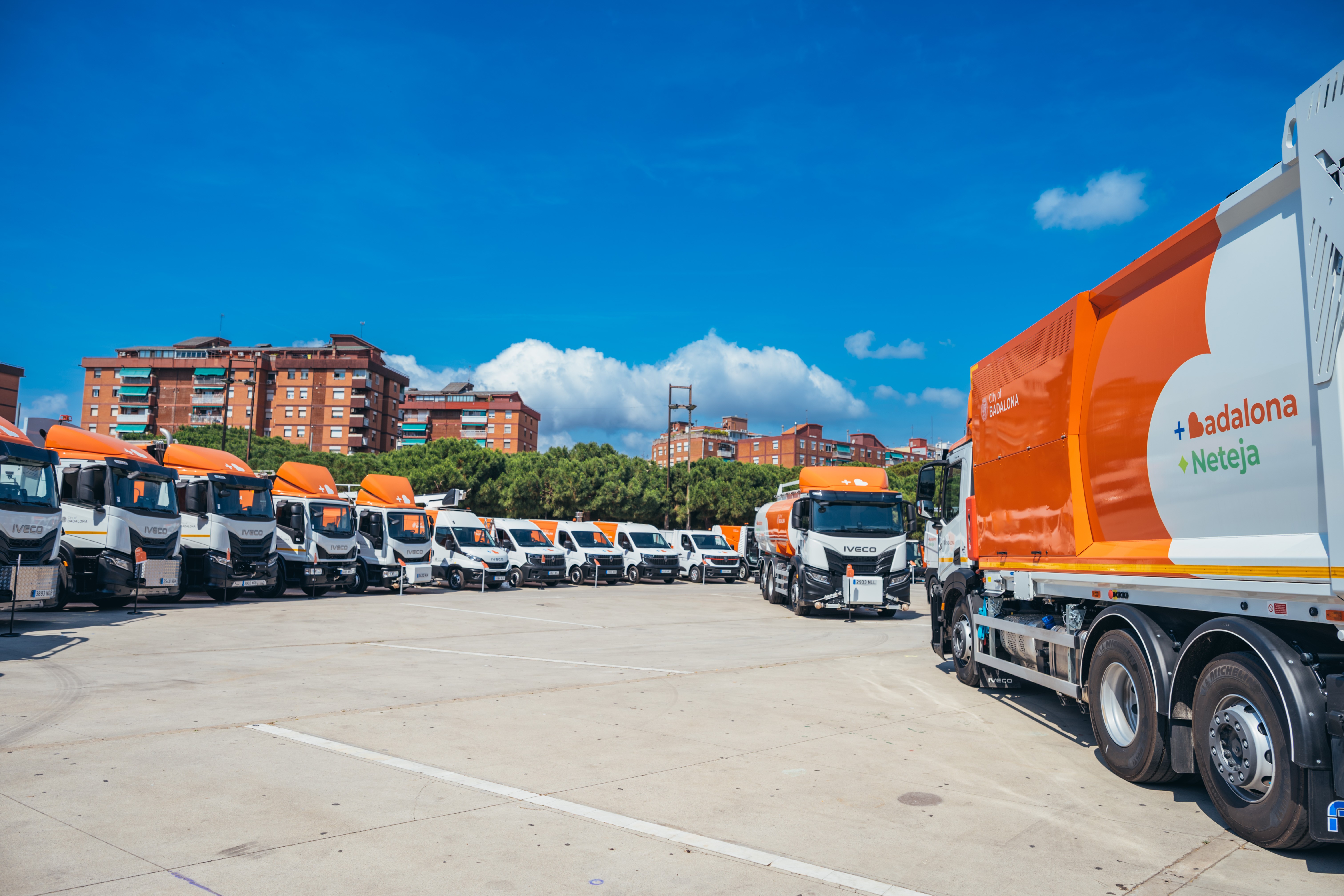
- The contracts provide for a comprehensive renewal of the fleet and equipment, comprising more than 150 vehicles and pieces of machinery, a significant proportion of which are electric.
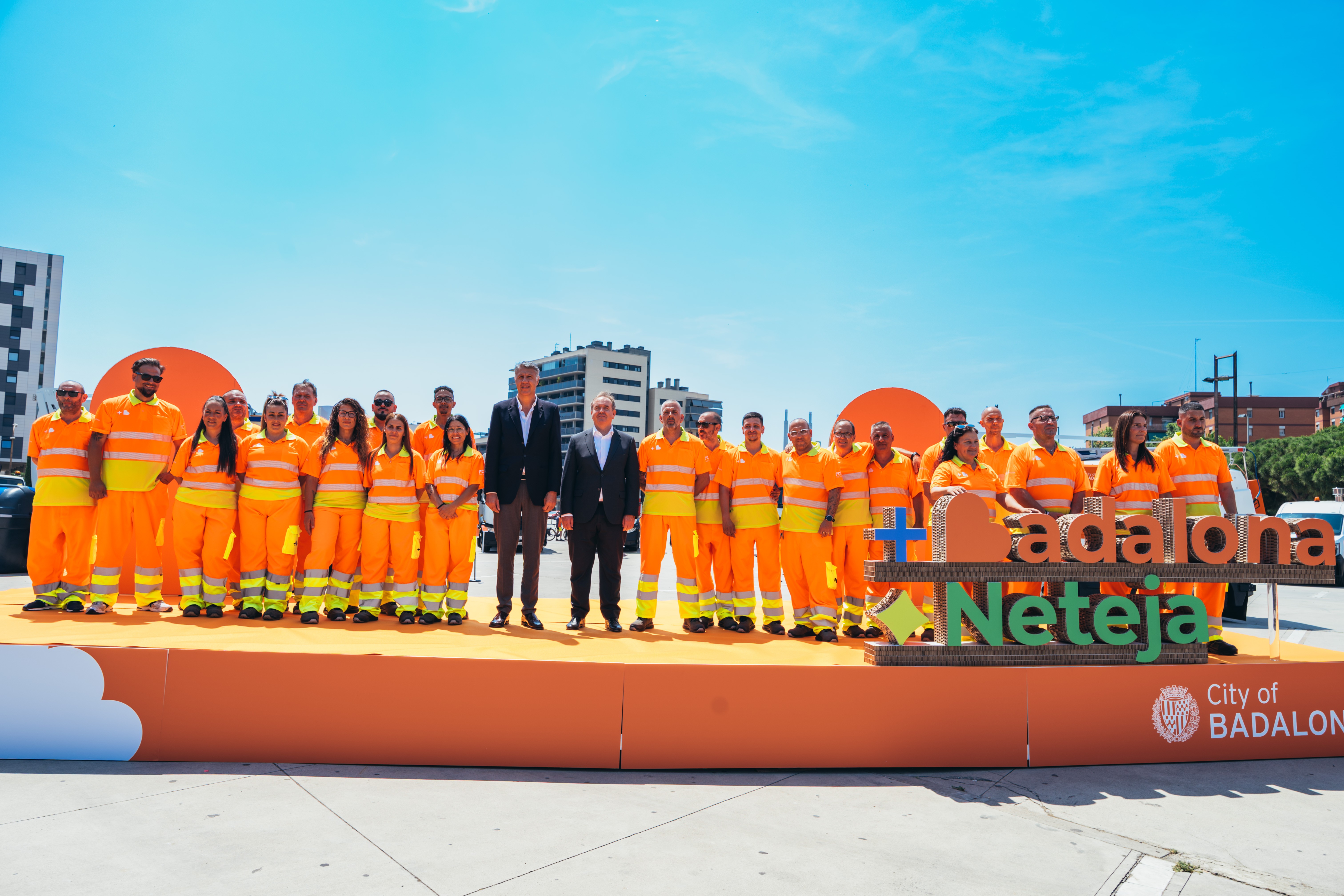
- More than 560 professionals will help to drive more efficient, sustainable and innovative urban management.
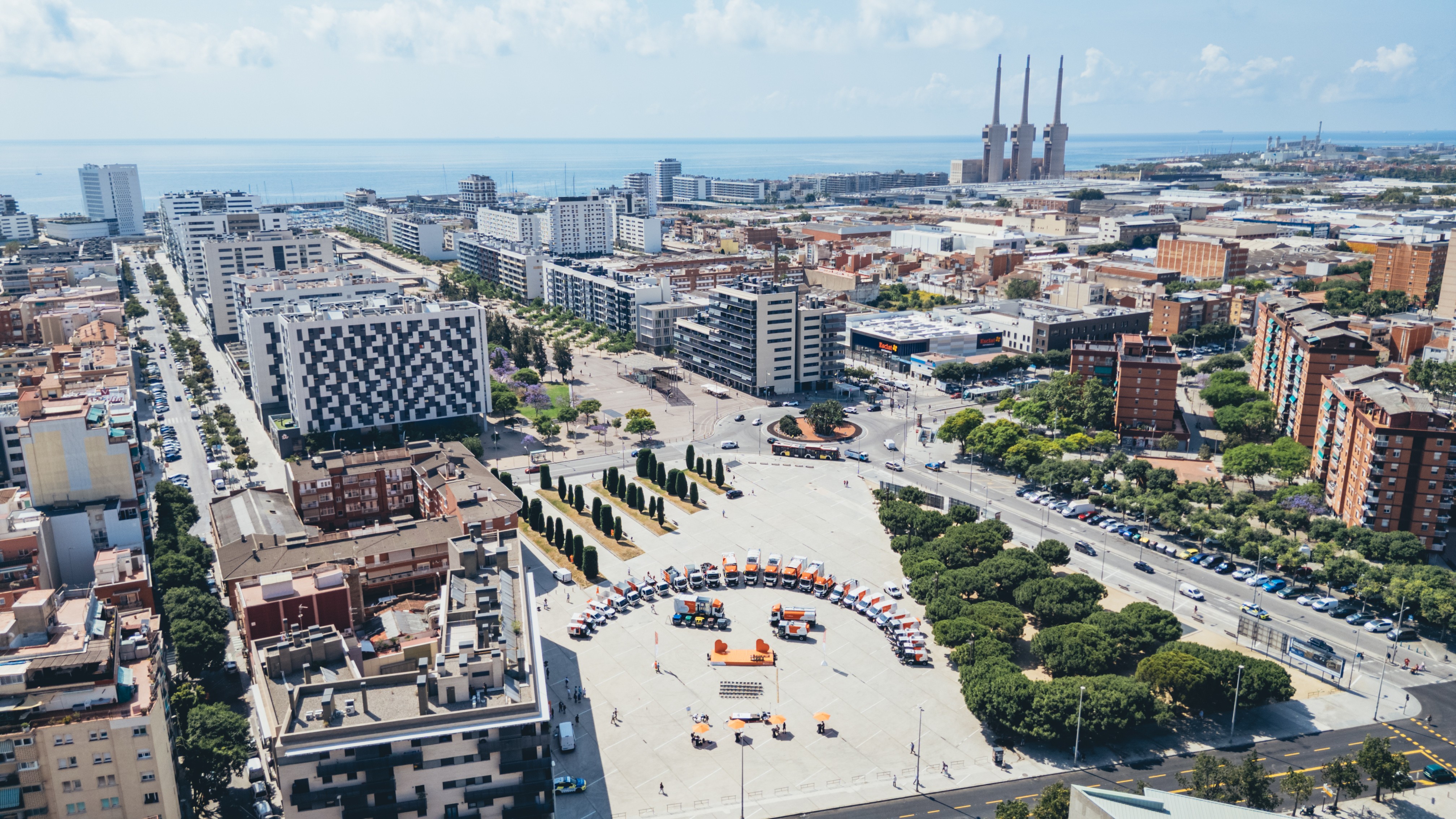
Badalona City Council (Barcelona) has once again placed its trust in FCC Medio Ambiente to continue providing the city’s new urban services, where the company has been operating since 1960. The company continues to successfully implement the new contracts awarded for waste collection, street cleaning and recycling centre management, which represent a combined portfolio of 449 million euros for the next 12 and 10 years, respectively. This is one of the largest urban services contracts in Catalonia and will bring about a comprehensive transformation of the urban management model to meet the city’s current needs and the environmental challenges of the future.
With a population of over 220,000 spread across 34 neighbourhoods and six districts, Badalona is embarking on a new phase in the provision of its services, with the aim of delivering cleaner public spaces, improving environmental quality and making progress towards meeting European targets for recycling and the circular economy. More than 560 professionals and a fleet comprising over 150 vehicles and pieces of equipment – a significant proportion of which are eco-friendly and zero-emission vehicles – will enable the city to provide a more sustainable, efficient service tailored to the specific characteristics of each neighbourhood.
Technological innovation is another key pillar of the modernisation programme, thanks to the roll-out of the VISION comprehensive digital management platform, developed exclusively by FCC Medio Ambiente. This tool enables the control of routes and tasks, the tracking of waste generation by type, the monitoring of vehicle performance and the optimisation of data utilisation, which facilitates the transmission of information and ensures more agile and transparent communication with the municipal team and the public. The incorporation of artificial intelligence tools, geolocation systems, dynamic route planning, advanced dashboards and data analysis tools will enable the optimisation of resources, a reduction in emissions and an improvement in the teams’ responsiveness.
The waste collection service, which handles more than 100,000 tonnes a year, is introducing new solutions to improve separate collection and increase recycling rates. These include the installation of fill-level sensors in bins, the expansion of the door-to-door collection scheme for large waste producers and businesses, and the strengthening of the collection of furniture, household goods and bulky waste, including specific services for older people and those with reduced mobility. Furthermore, the service will integrate artificial intelligence-based tools that will facilitate the detection of incidents and help to optimise the quality of separate collection.
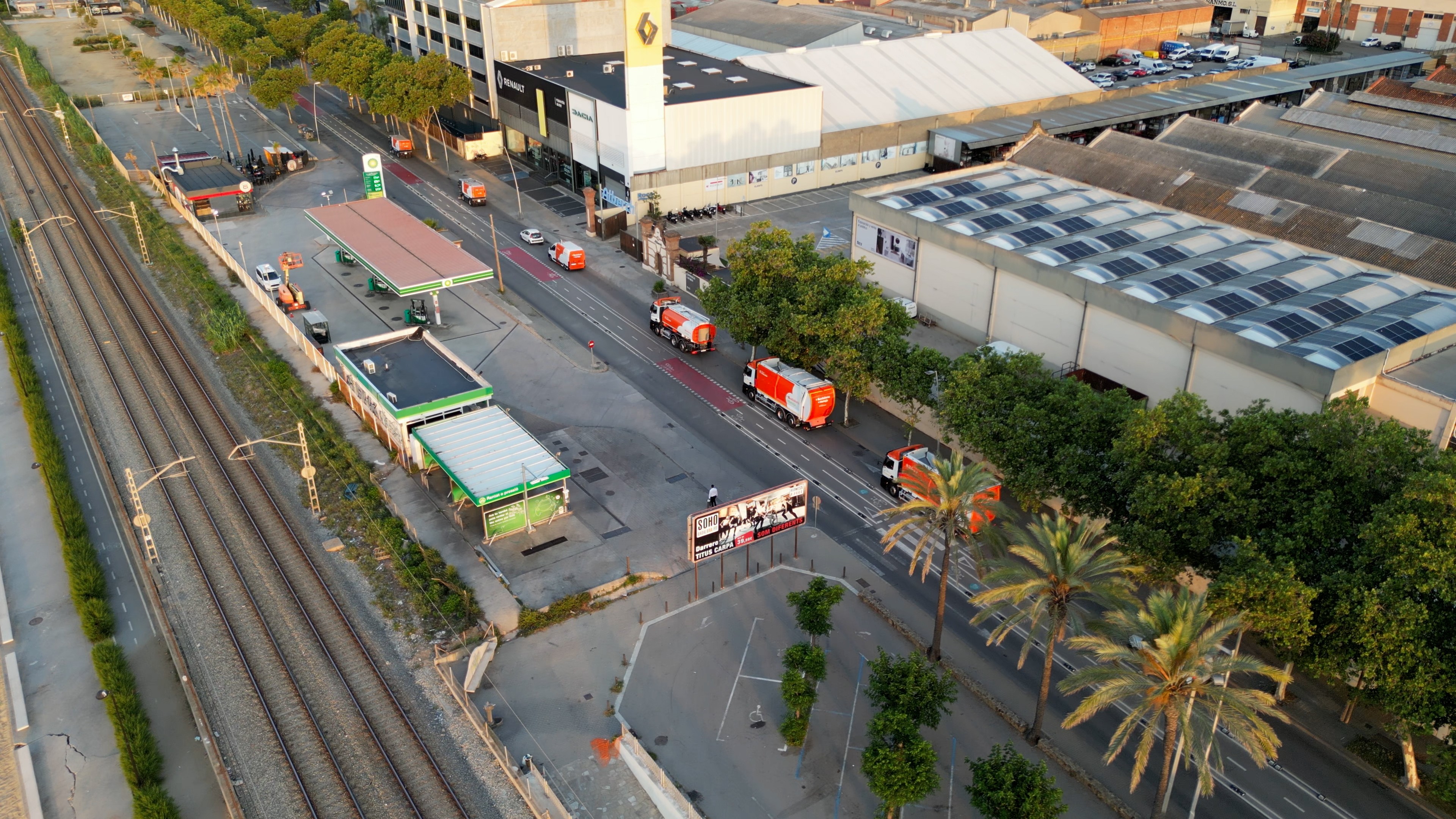
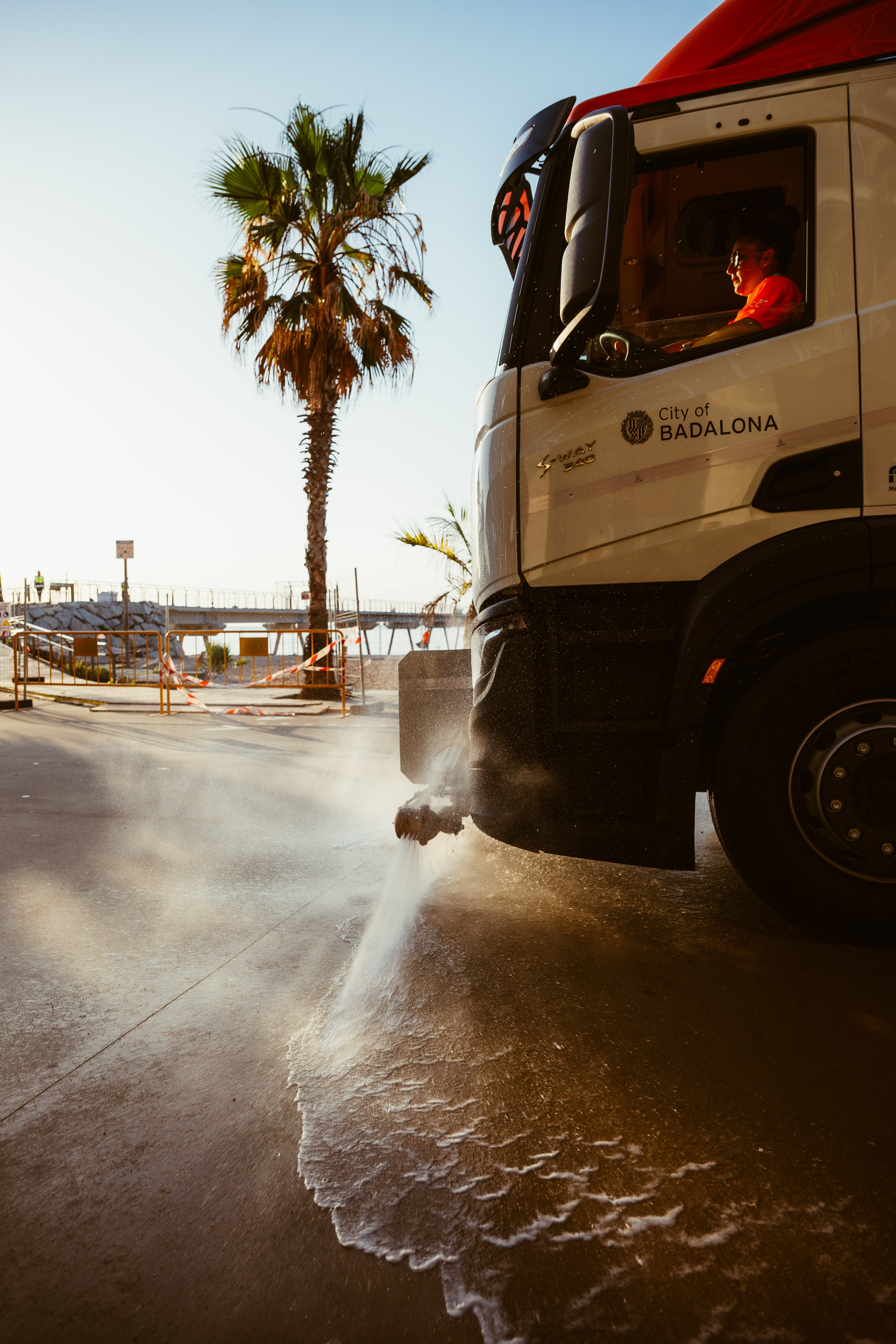
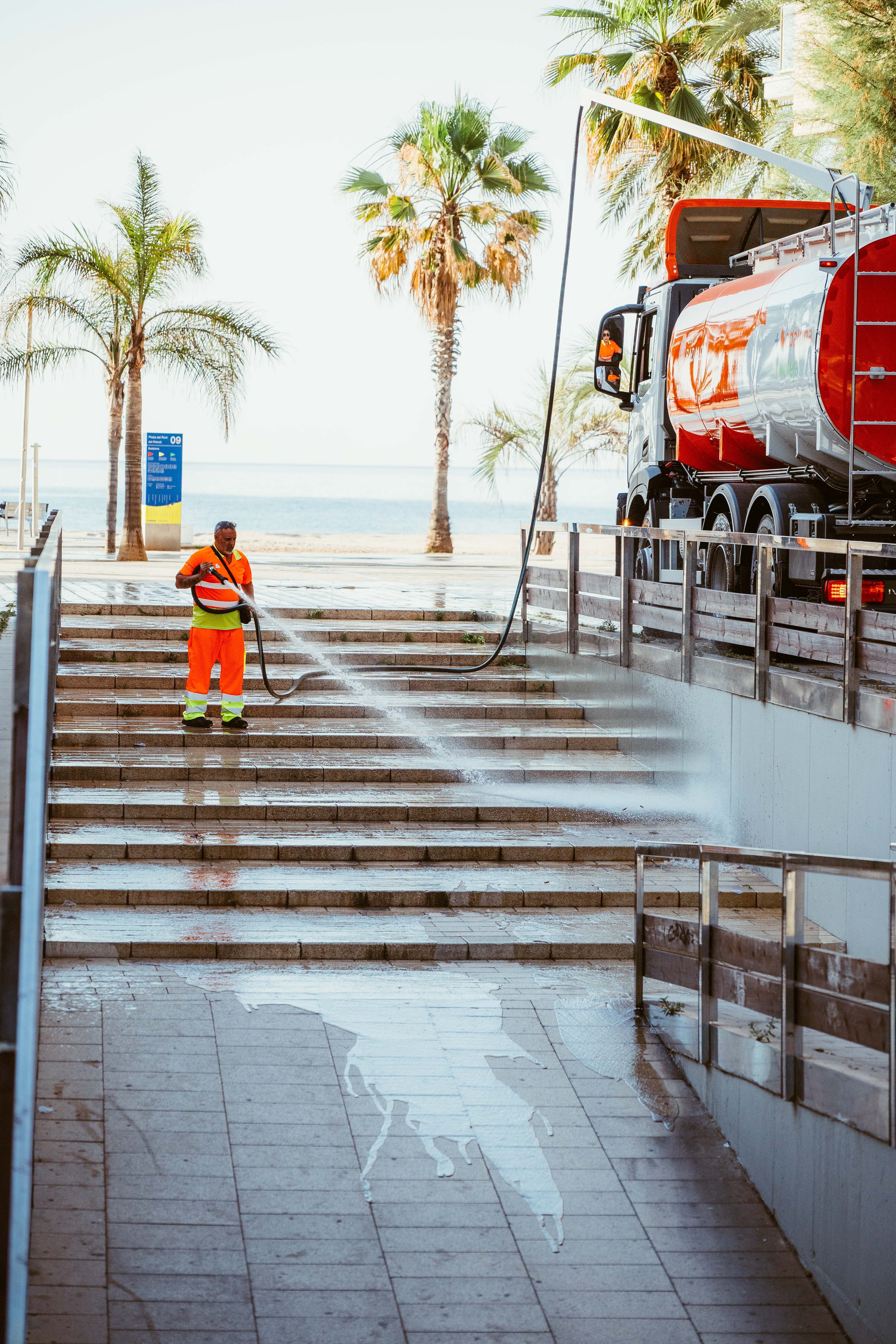
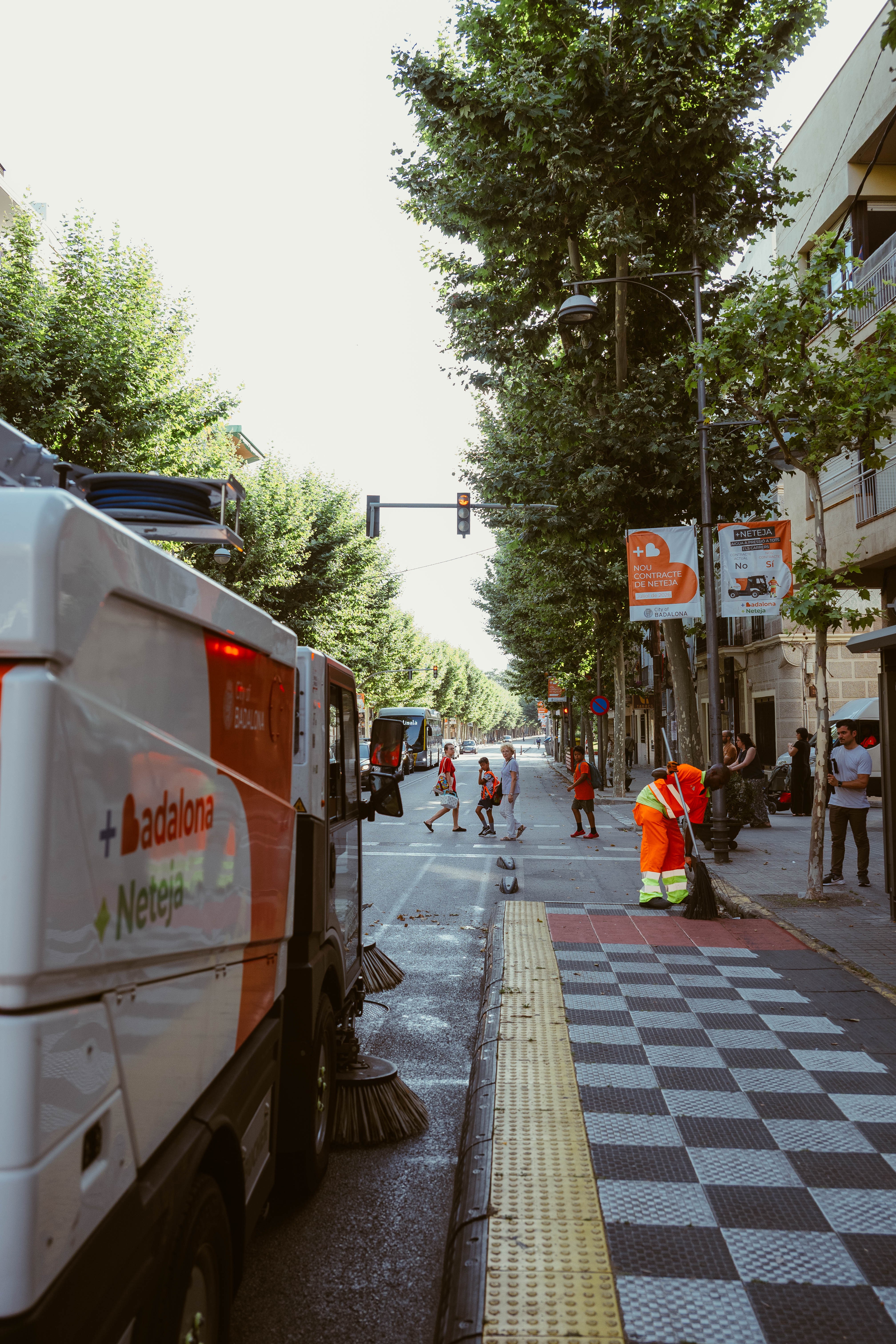
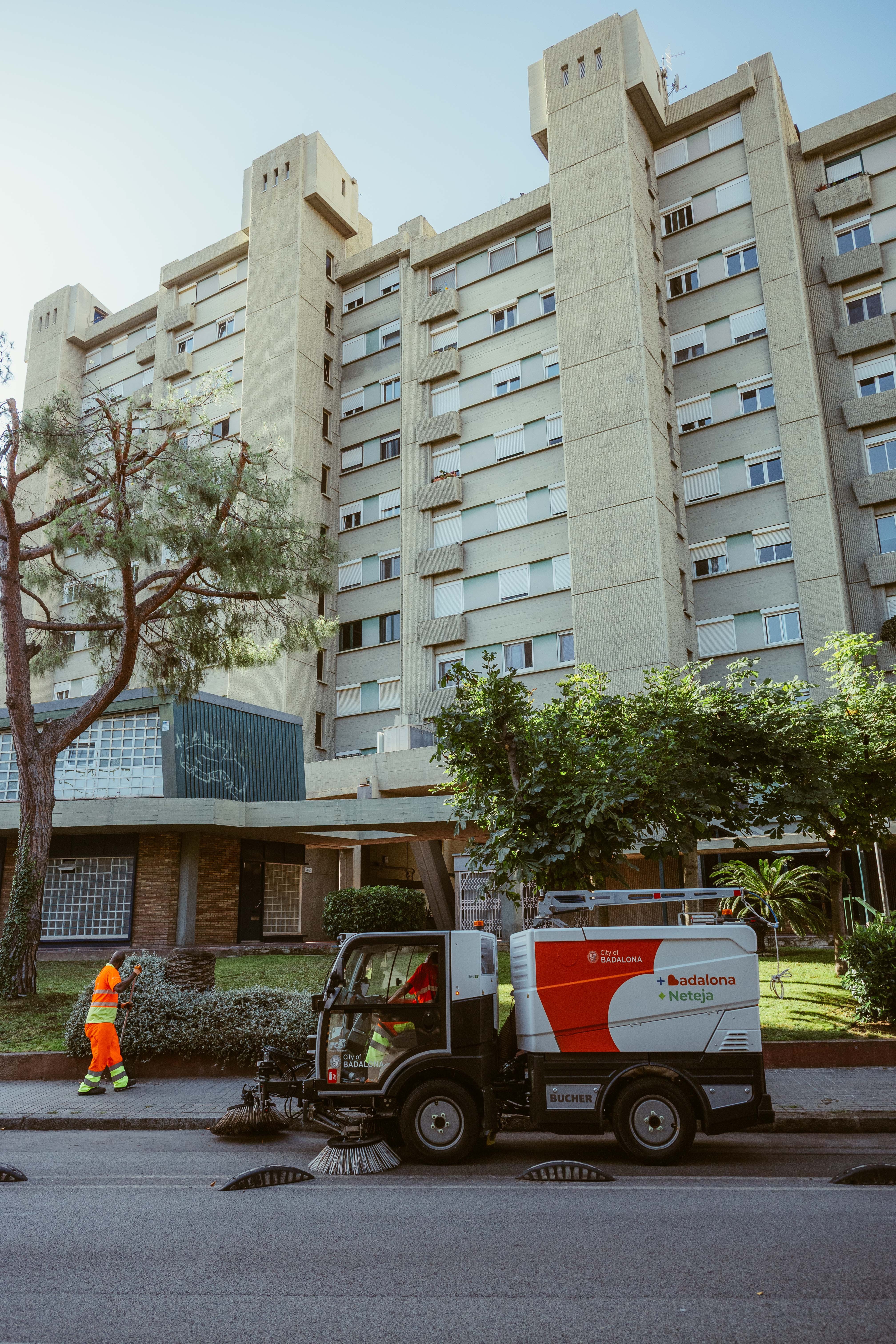
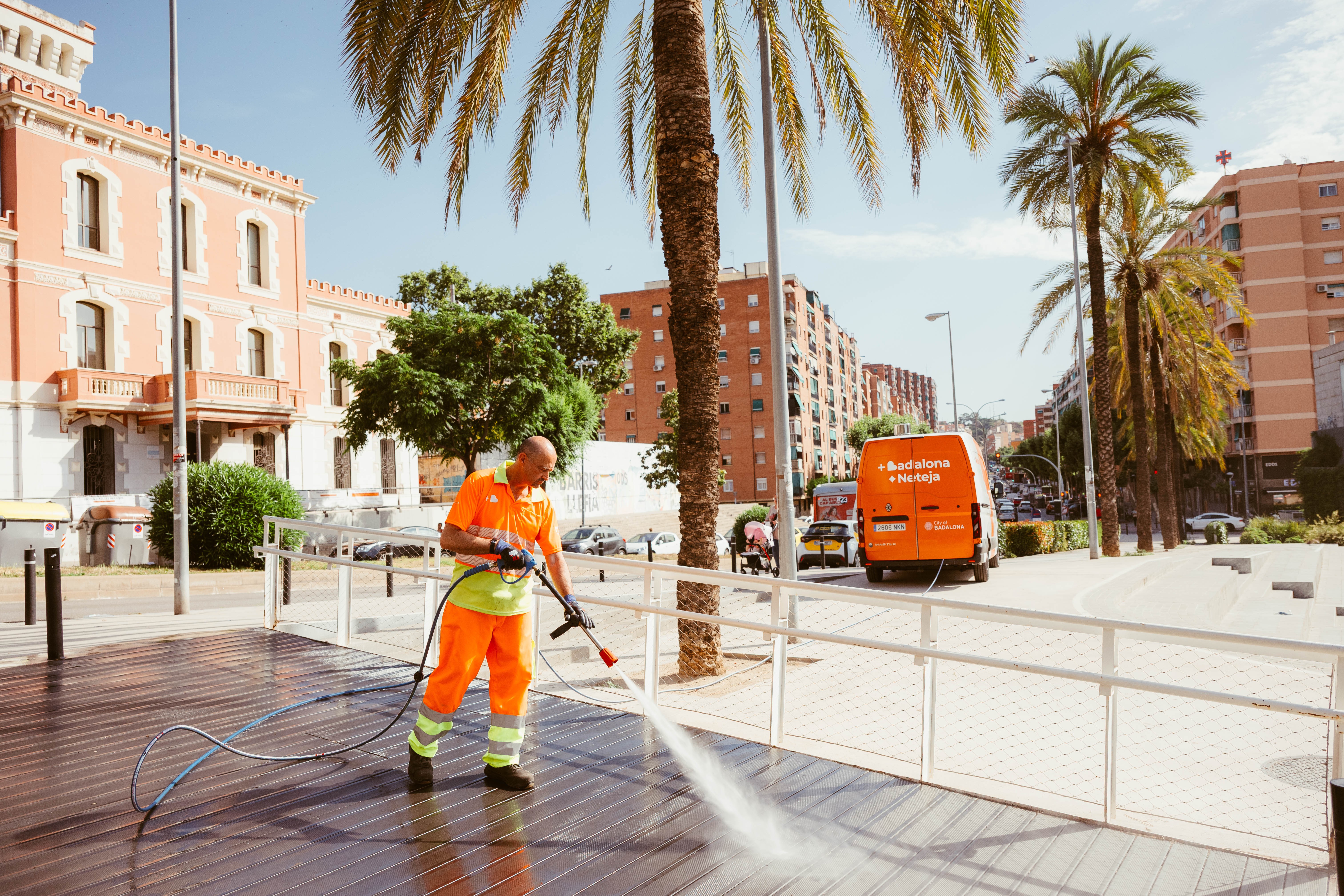
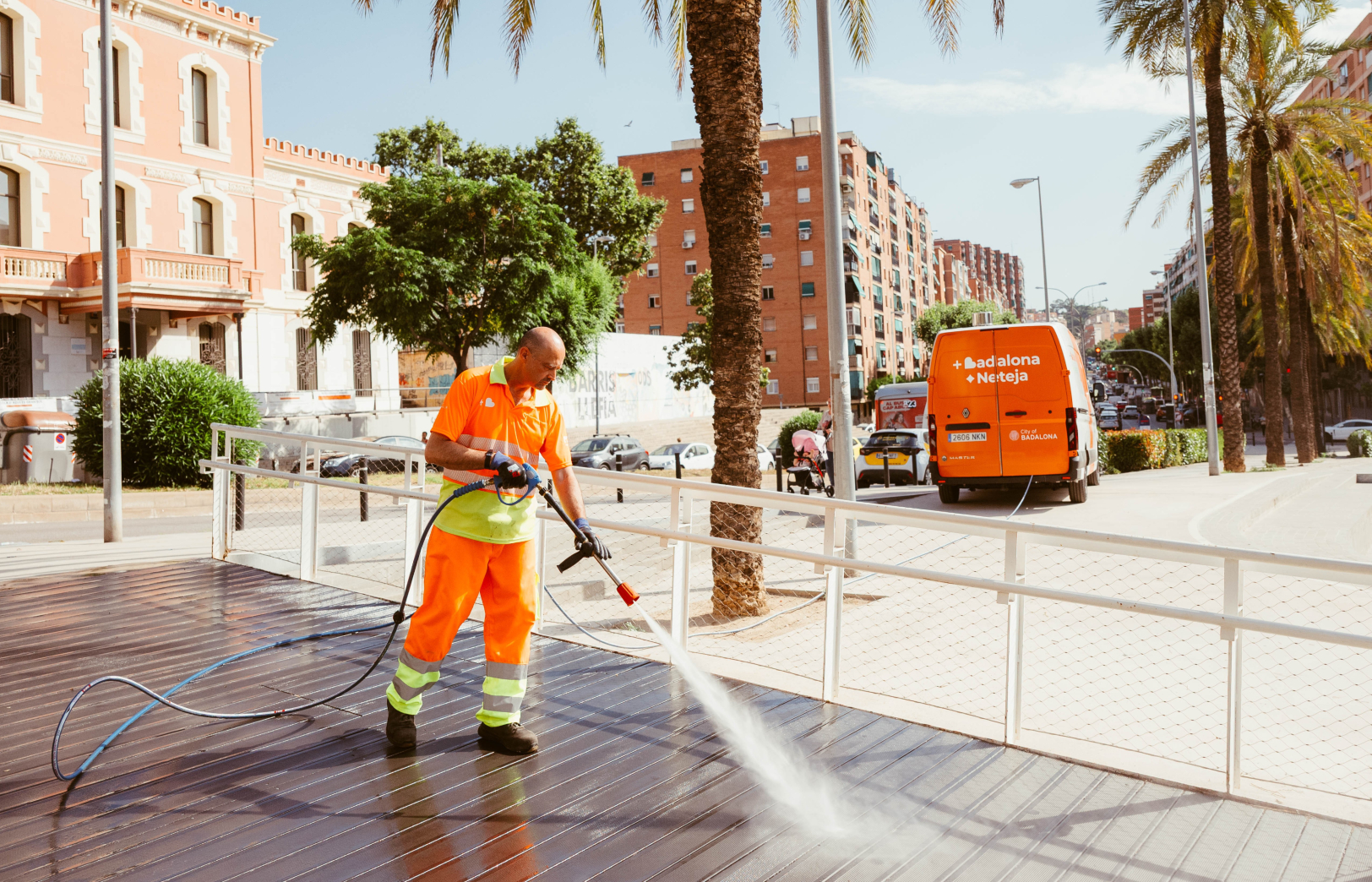
The street cleaning service, which covers more than 500 km of streets, will receive a significant boost in staff and equipment to provide more effective coverage tailored to the activity in each area of the city. The service will operate 24 hours a day, every day of the year; it will incorporate new rapid-response teams, increase the resources allocated to manual street sweeping by more than 15,000 hours, and strengthen services at weekends, on public holidays and during special events. It also has specific plans in place for beaches, markets, green spaces and events attracting large crowds. The introduction of new low-emission equipment, including the use of electric vehicles and groundwater for street-washing, will reduce the service’s environmental impact and minimise noise pollution, thereby improving residents’ quality of life. New recycling bins, smart self-compacting bins and digital monitoring and control systems are being introduced.
The management contract for the city’s recycling centres has also been renewed, comprising two permanent facilities, six district mini-recycling centres, two mobile recycling centres and 12 bus shelter recycling points, providing more than 40 separate collection points to promote the correct separation of waste and make it easier for the public to dispose of waste streams requiring specific treatment.
Social sustainability will play a key role in this new phase thanks to the implementation of policies aimed at equal opportunities, ongoing staff training, collaboration with third-sector organisations and raising public awareness to encourage responsible recycling habits and care for public spaces.