







27/10/2026
FCC Medio Ambiente is leading BRAVE, a pioneering project to boost biogas production through biotechnology, AI and quantum computing
- The project was kicked off today in El Campello and involves funding of around €3 million to research new solutions to improve the efficiency of anaerobic digestion.
- The technologies developed will be validated on a pilot scale at the Integrated Treatment Centre in Las Marinas, managed by FCC Medio Ambiente.
FCC Medio Ambiente is leading BRAVE, a research project that aims to take a step forward in the production of biogas from waste by combining biotechnology with advanced digital technologies, such as artificial intelligence and quantum computing. The project kicked off today at the Integrated Treatment Centre in Las Marinas, El Campello (Alicante, Spain), a facility managed by FCC Medio Ambiente where pilot tests of the solutions under investigation will be carried out.
The project addresses one of the main challenges associated with biogas development: improving the efficiency of the anaerobic digestion process and expanding the possibilities for utilising organic waste. To this end, BRAVE will investigate solutions across the entire value chain, from the treatment of raw materials to process optimisation and the recovery of the resulting digestate.
Among the lines of research planned by FCC Medio Ambiente and CETIM, the project’s scientific coordinator, are the use of specific microbial strains to facilitate the treatment of complex and hard-to-biodegrade waste, the production of biosurfactants from waste streams, the recovery of nutrients from digestate to develop fertiliser solutions, and the study of new digital strategies to optimise biogas production.
One of the project’s distinguishing features is precisely the incorporation of artificial intelligence and quantum computing into the study of the anaerobic digestion process. The project’s technical report notes that, although conventional AI is already used in this field, no studies have been documented that apply quantum technologies in this area, which gives BRAVE a pioneering status.
The solutions developed during the project will be validated at the Las Marinas Integrated Treatment Centre in El Campello, managed by FCC Medio Ambiente, where the research will be tested on a pilot scale. The consortium plans to progress to testing the technologies in a real-world environment by 2028.
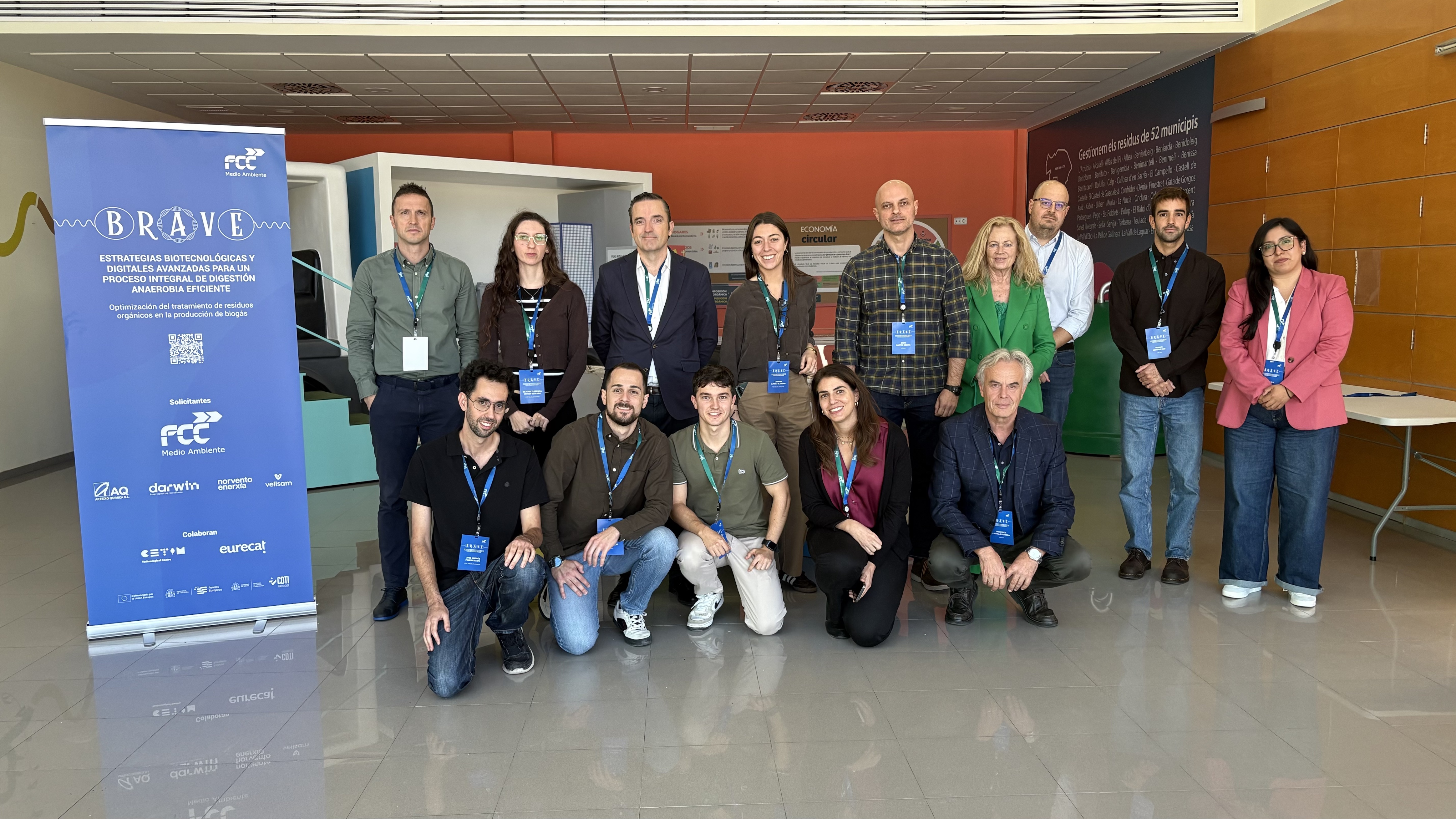
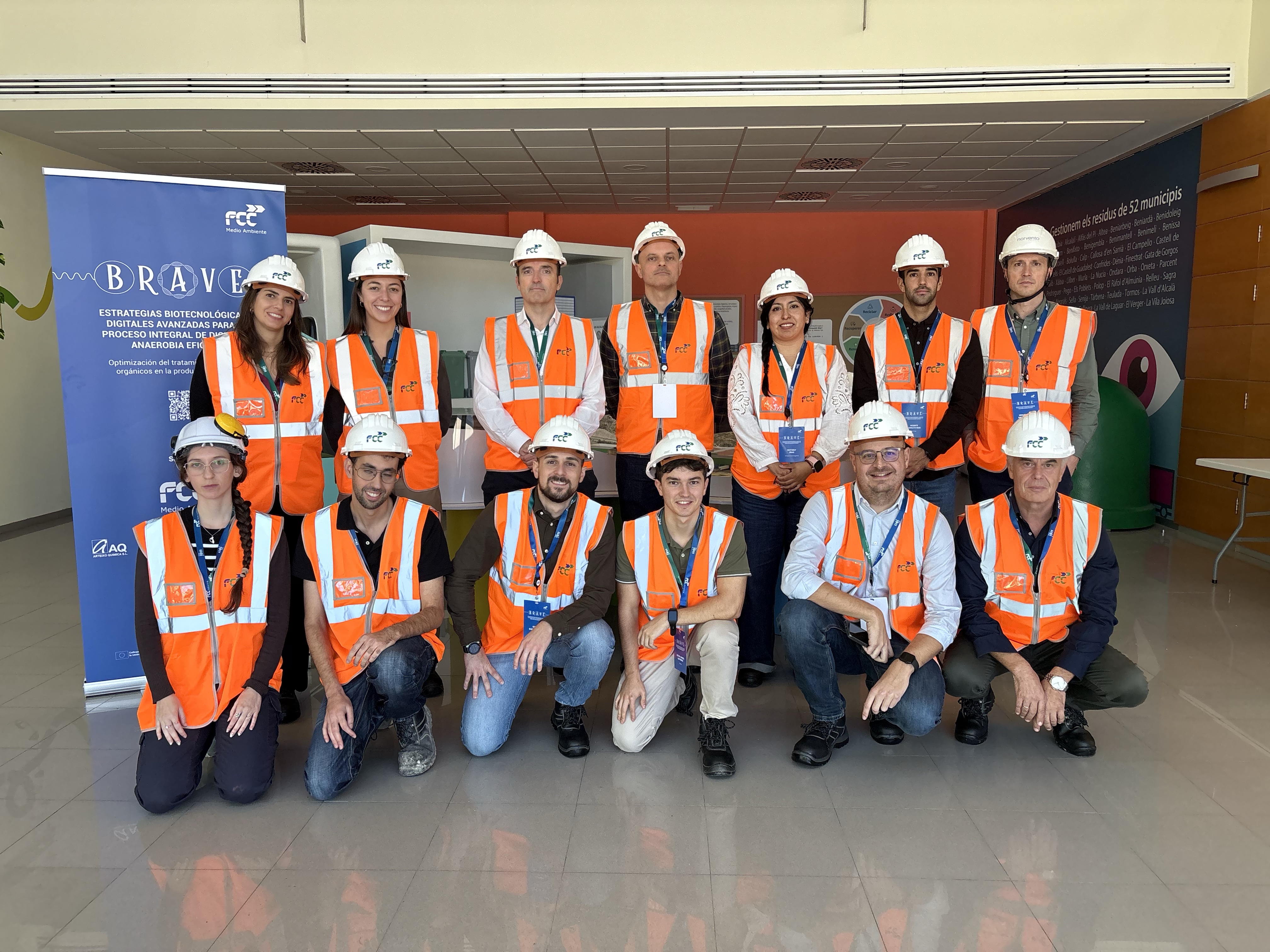
The centre today hosted the first meeting of the BRAVE consortium members, which served to share the project’s roadmap and make progress on coordinating the various lines of research.
FCC Medio Ambiente is participating in BRAVE alongside Arteixo Química, Darwin Bioprospecting, Norvento and Vellsam, whilst CETIM and ITECAM are collaborating on the project.
BRAVE, an acronym for Advanced Biotechnological and Digital Strategies for an Efficient, Comprehensive Anaerobic Digestion Process (in Spanish), is funded by the CDTI and supported by the Spanish Ministry of Science, Innovation and Universities, with ERDF 2021–2027 funding through the INNTERCONECTA-STEP 2025 call for proposals.