











15/10/2026
FCC Medio Ambiente joins the European HUBS4BUILD project to develop Circularity Hubs
- The Horizon Europe project will develop a network of permanent and replicable regional hubs that will link the circular bioeconomy with circular construction value chains.
- FCC Medio Ambiente is participating in the Spanish demonstration hub, which will be based at the Valladolid Waste Treatment Centre, owned by Valladolid City Council and operated by FCC Medio Ambiente.
- The facility will be used as a platform to demonstrate new technologies and validate circular solutions in a real-world operational environment.
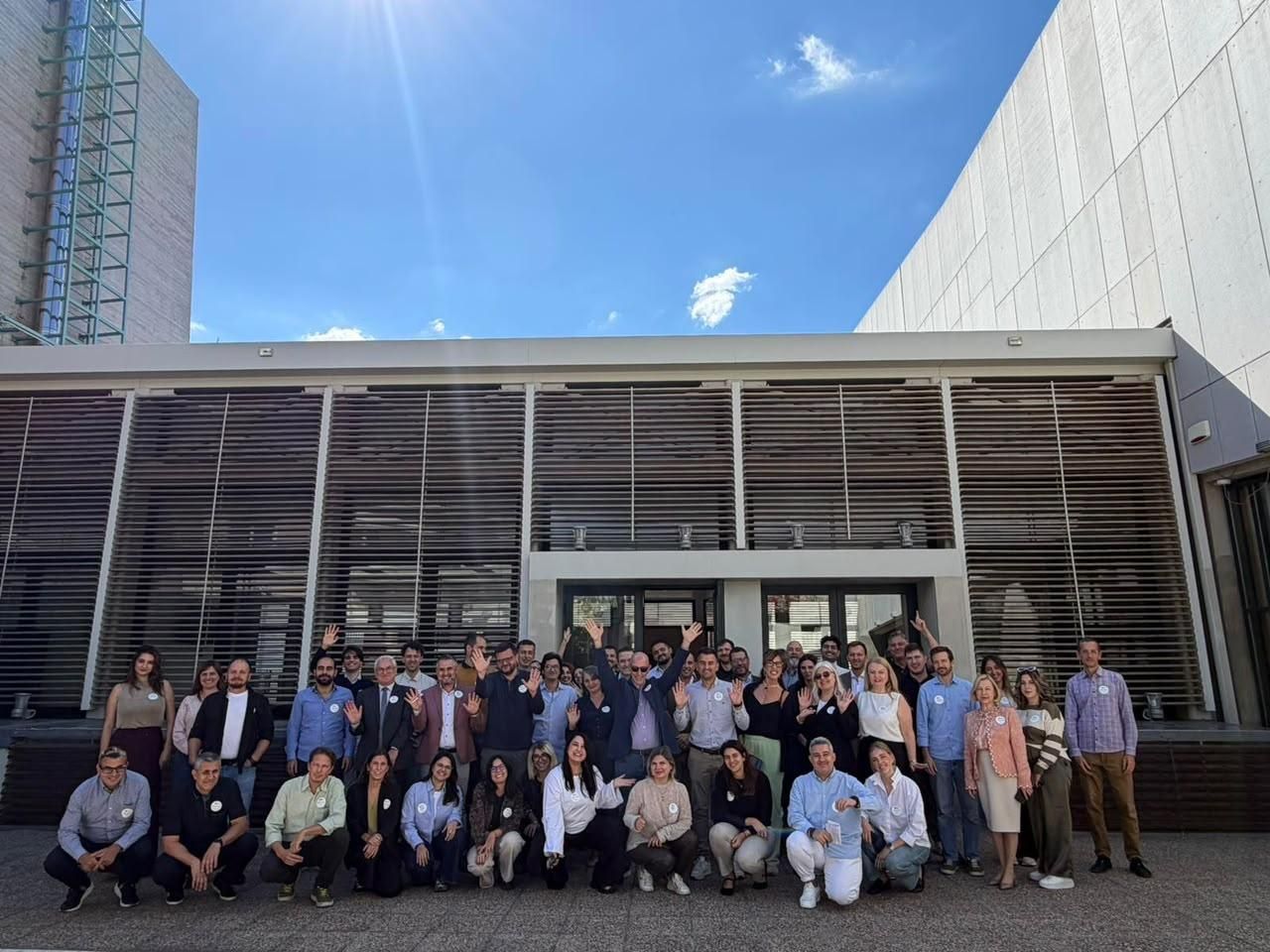
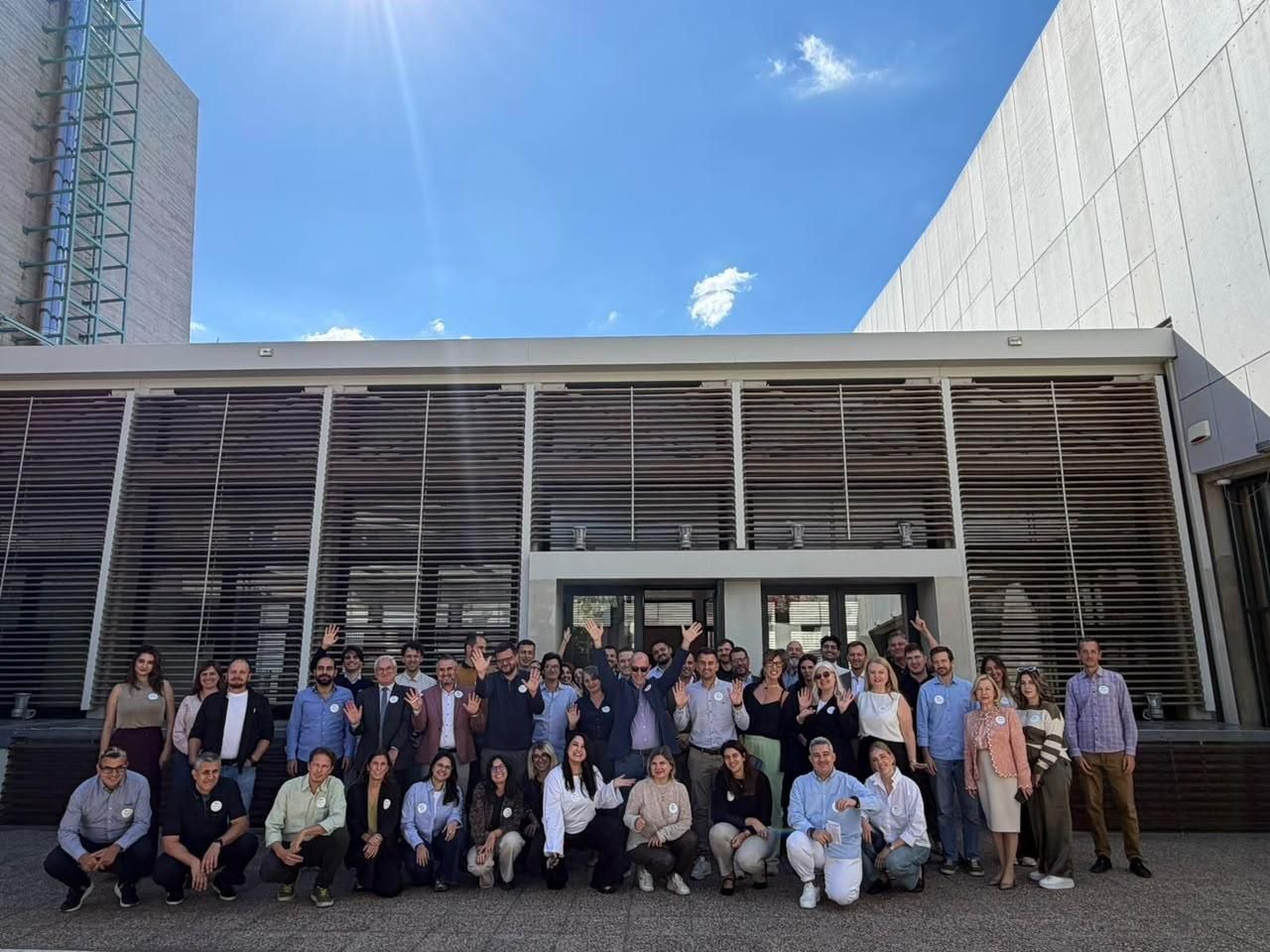
FCC Medio Ambiente is participating in HUBS4BUILD — Regional Circularity Hubs for a Bio-based and Resilient Built Environment — a Horizon Europe project launched to demonstrate, deploy and upscale circular solutions by establishing a network of permanent and replicable regional Circularity Hubs integrating the circular bioeconomy and circular construction value chains.
The built environment is responsible for approximately 40% of the EU's energy consumption and 36% of its GHG emissions, and the current linear construction sector is characterised by siloed operations with little communication between stakeholders, from material suppliers to end-of-life managers.
Circular alternatives struggle to compete in this market for several reasons, such as inconsistent EU-wide standards, insufficient financial incentives, and the relatively low cost of virgin materials. The absence of economically viable technologies for processing diverse waste streams and the higher labour costs associated with deconstruction, are also limiting their adoption at large scale.
“We believe the future of construction lies in the resources that regions already have. Our ambition is to transform local biomass and waste into high-performance building materials, creating lasting environmental, social and economic value.”
Dr. George Ntalos , project coordinator (University of Thessaly - UTH)
The project will deliver a data-driven, bankable, and replicable blueprint for regional transformation, empowering communities to turn local underutilised resources into high-value, low-carbon assets for a climate-neutral and resilient built environment. To achieve this, HUBS4BUILD will co-design 13 Hubs in 13 countries, involving 500 local quadruple helix stakeholders to ensure solutions are context-specific and socially accepted.
The project will innovate and validate a portfolio of 9 bio-based construction products (e.g. insulation from textile waste, panels from construction and demolition waste), deploying these solutions in 13 diverse operational environments via Public-Private-People-Partnerships. In doing so, the project aims to valorise around 700 tonnes of local waste and train 200 local professionals.
HUBS4BUILD will also deliver a Bankable Twinning Methodology and foster a Replicators Network, in collaboration with the Circular Regions and Cities Initiative and other key initiatives, to ensure widespread adoption. To promote the emergence of systemic solutions, the project model will encourage collaboration among stakeholders through transition brokers.
Each of the 13 Circularity Hubs has a specific role and will act as the central orchestrator for its regional network, connecting farmers, waste collectors, processors, architects, and policymakers.
FCC Medio Ambiente will contribute its expertise in waste management, resource recovery and applied innovation through the Spanish lead hub. Demonstration activities will take place at the Valladolid Waste Treatment Centre, which is owned by Valladolid City Council and operated by FCC Medio Ambiente. The facility will be used as a platform for demonstrating new technologies, enabling circular solutions to be validated under real operating conditions and generating evidence on their technical performance, economic viability and replication potential.
Spain is one of the project’s four lead hubs, alongside Greece, the Netherlands and Romania. These hubs will act as innovation epicentres, demonstrating integrated value chains in real operational environments and generating primary data on technical performance, economic viability and social acceptance for the wider consortium.
The two scaling hubs in Umeå (Sweden) and Greater Rostock (Germany) will develop strategies for the systemic uptake and scaling of the project's most successful solutions. These hubs will focus on governance, policy integration, and business model innovation to accelerate region-wide transformation. To strengthen future replication opportunities, the two transfer hubs in Bulgaria and the Western Balkans will promote capacity building, stakeholder mobilisation, policy development, and business case adaptation, preparing the ground for future investment and implementation of circular bio-based solutions in high potential regions.
By facilitating structured dialogue, co-creating governance frameworks, and developing shared business models within the Circularity Hubs, the project will enable a lasting systemic shift, in line with the EU Bioeconomy Strategy's call for stronger regional governance.
The HUBS4BUILD project started in September 2026 and will run for 4 years. The consortium connects 39 partners from 13 countries and is coordinated by the University of Thessaly (Greece), with scientific coordination by CluBE (Greece). You can keep up with project progress on the project LinkedIn page.
The HUBS4BUILD project has received funding from the European Union’s Horizon Europe research and innovation programme under grant agreement No. 101291180.