












16/09/2026
Circularis is born: the new business association to promote the circular economy
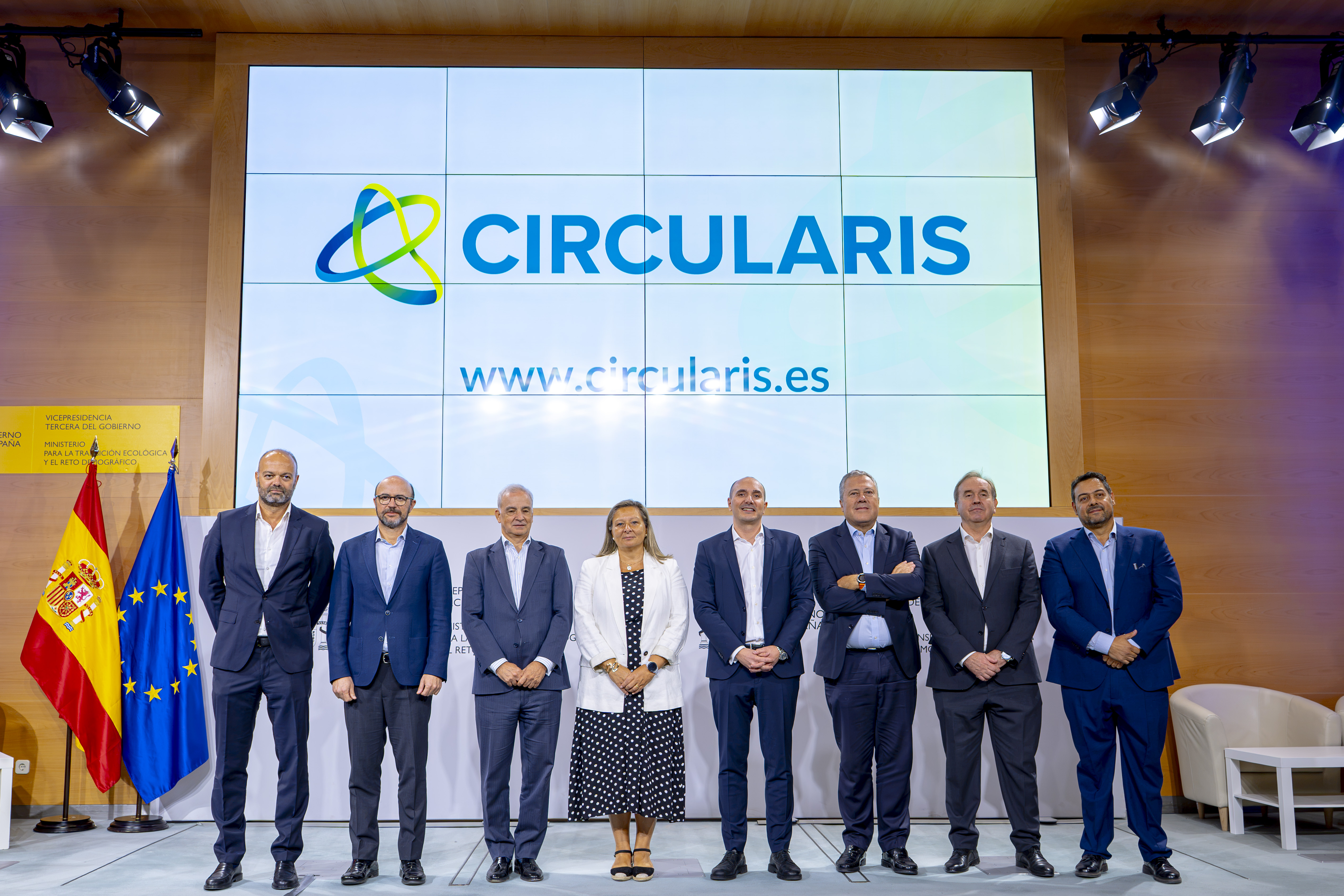
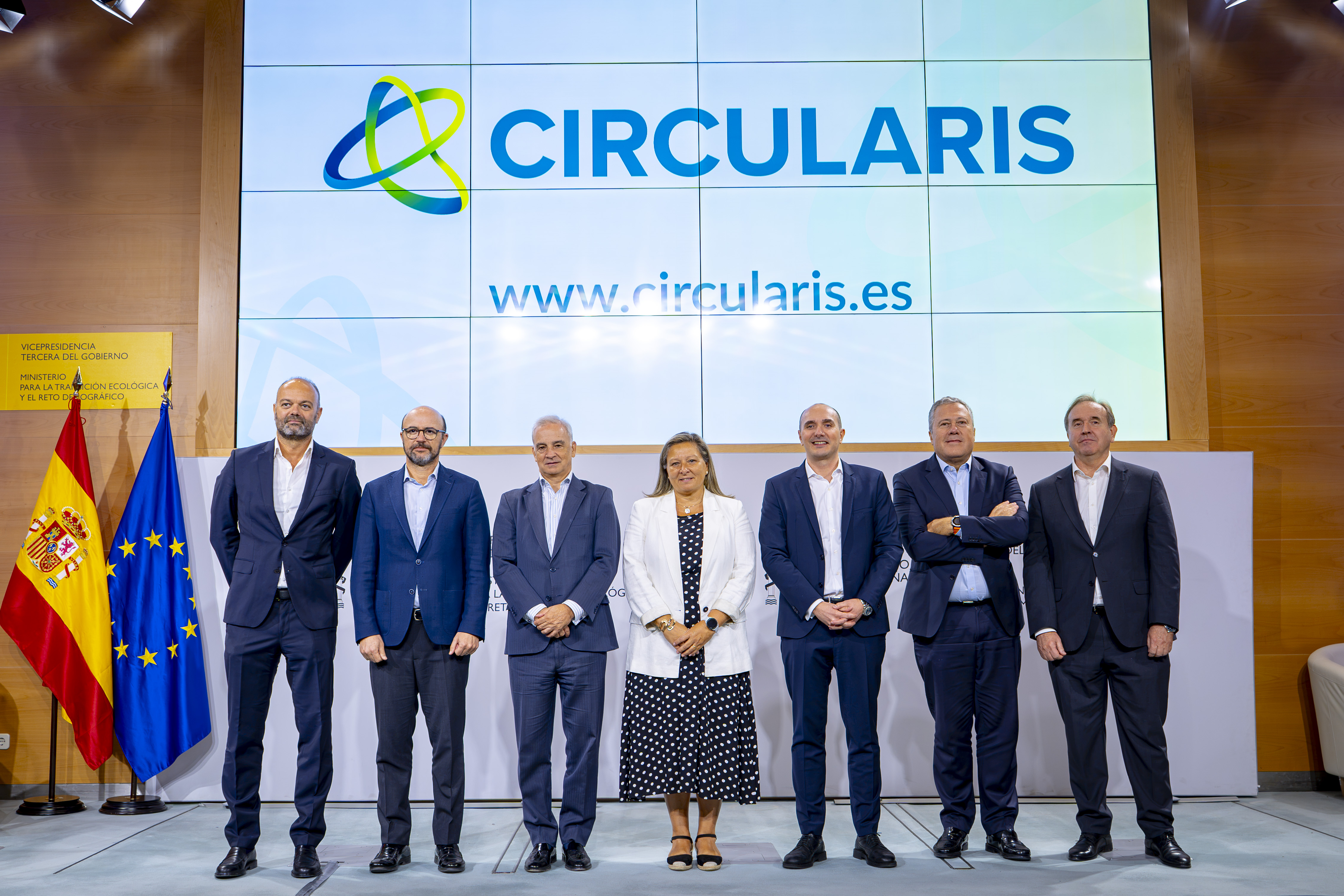
This morning, the Ministry for Ecological Transition and the Demographic Challenge hosted the official launch of Circularis, the new business association created by Urbaser, FCCenviro, PreZero and Valoriza to drive improvements in municipal waste management.
These four industry-leading companies are joining forces to help accelerate Spain’s ecological transition towards a circular economy model fully aligned with the European Union’s targets.
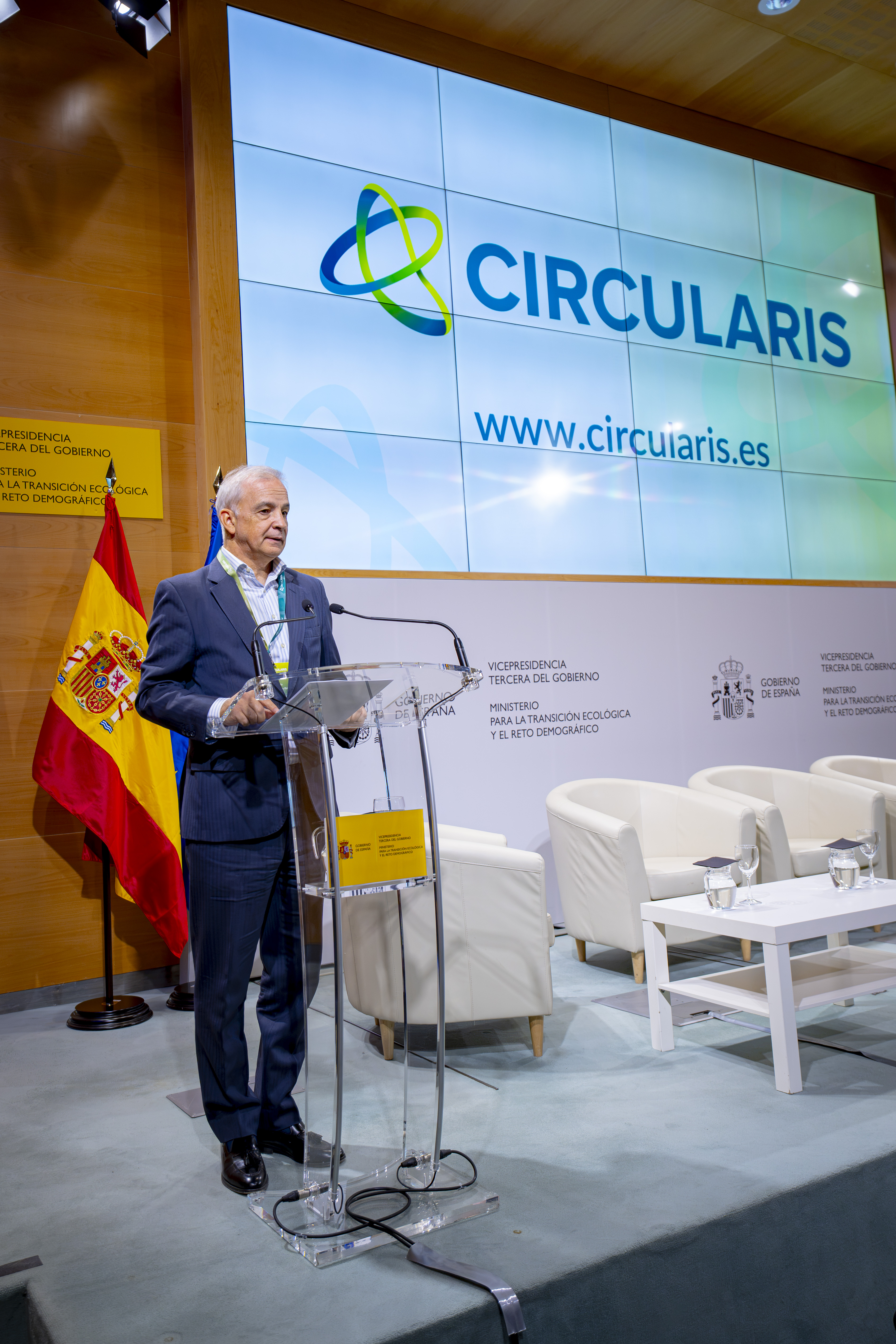
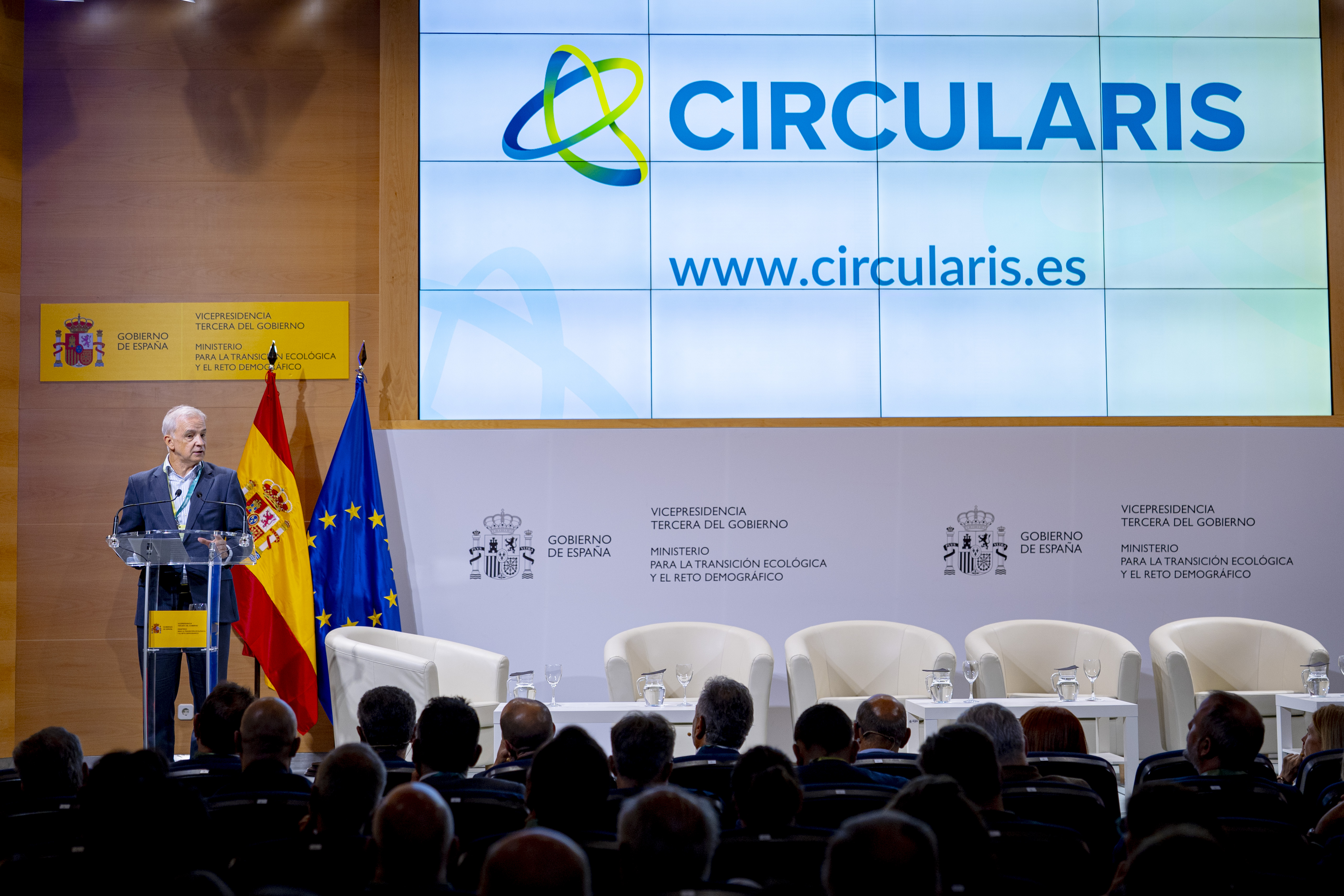
During the event, the president of Circularis, Ricardo López de Haro, emphasised that the association has been established “at a decisive moment for Spain, just when it is necessary to invest more than 12,000 million euros to comply with European requirements – a commitment which, at present, we are failing to meet”.
López de Haro pointed out that Spain had failed to meet the targets set for 2020 by the European Commission, as reflected in the early warning report drawn up by the Commission itself in 2023. Consequently, “we can and must redouble our efforts to ensure that landfill rates stand at 20 per cent by 2030 and less than 10 per cent by 2035, whilst the recycling rate reaches 60 per cent by 2030 and 65 per cent by 2035”.
Spain continues to send a volume of waste to landfill that is far higher than the European average, which is resulting in fines and penalty proceedings for failure to meet the interim targets set by the Commission.
The fundamental aim is for Spain to take the lead in the European Union in terms of recycling and energy recovery, whilst minimising the use of landfill sites. The objective is to achieve a common goal: to stop burying material and energy resources that could and should be reintroduced into the production cycle, thereby reducing pollution (by turning waste into resources).
For his part, the Secretary of State for the Environment, Hugo Morán, emphasised that “what we are witnessing today is not merely a footnote in the history of waste management, but a truly momentous event”, referring to the launch of Circularis.
Similarly, Cristina Narbona, former minister and chair of the Commission for Ecological Transition and the Demographic Challenge in the Congress of Deputies, argued that “public policies on waste must involve and secure the commitment of all public administrations, businesses and civil society”.
Europe leads the way: less landfill, more recycling, more recovery
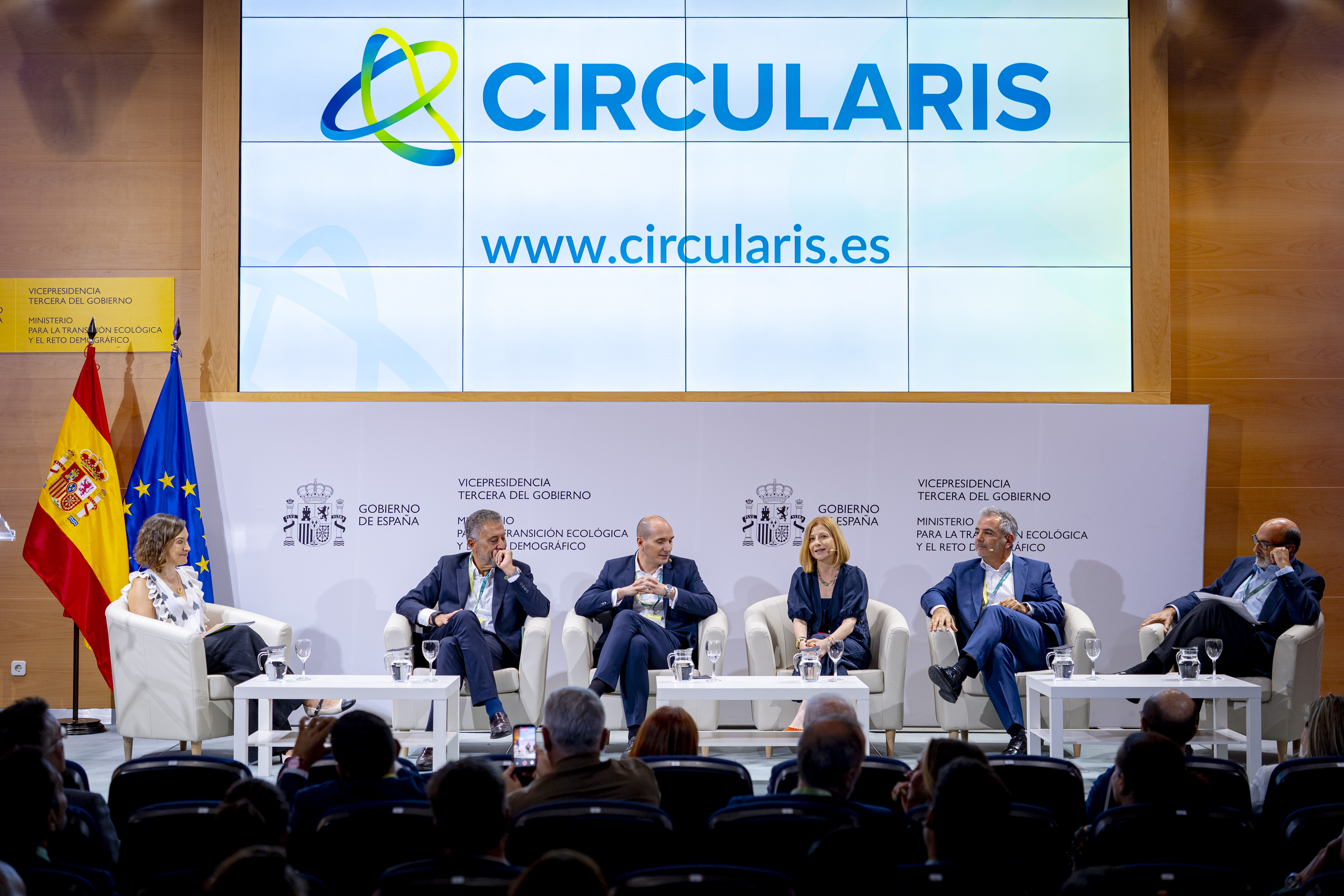
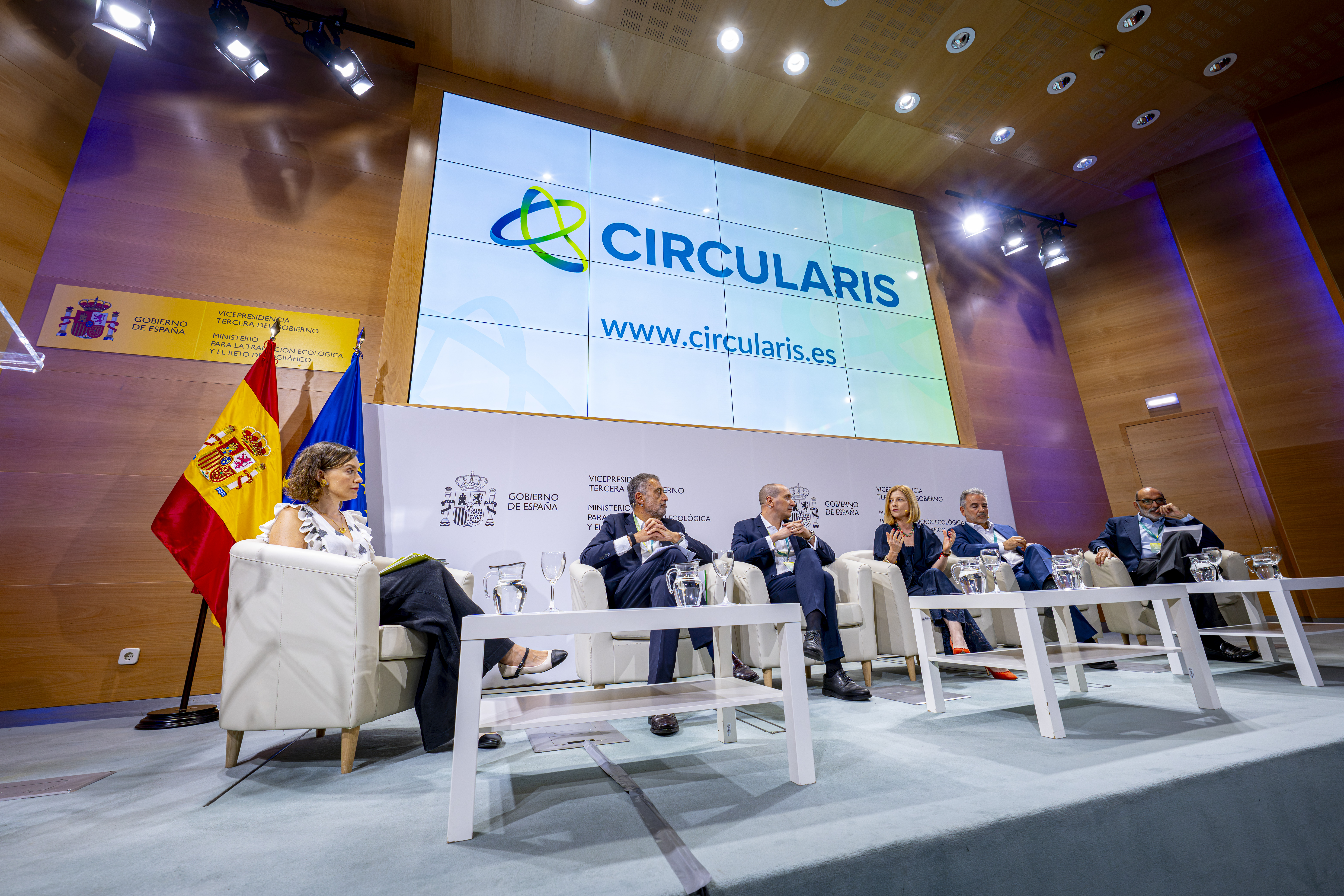
Following the opening speeches, a panel discussion was held, moderated by RETEMA’s editor-in-chief, Águeda García de Durango, with the participation of the four CEOs of the association’s founding companies: Fernando Abril-Martorell (Urbaser), Iñigo Sanz (FCCenviro), Gonzalo Cañete (PreZero Iberia) and José María Pena (Valoriza), alongside the Director-General for Quality and Environmental Assessment, Marta Gómez Palenque.
During the discussion, Abril-Martorell pointed out that “we currently have landfill rates similar to those of fifteen years ago. To reverse this and meet European targets, the key driver must be economic”.
Sanz also pointed out that “Spain needs a tax reform, similar to that implemented by other European countries, to incentivise and promote recycling and energy recovery, as required by European regulations”.
For his part, Cañete argued that “the best time for Spain to lead the circular economy in Europe was 20 years ago. The second-best time is now. We urgently need to correct our course. We owe it to future generations”.
Furthermore, Pena emphasised that “without a substantial and targeted increase in the landfill tax, the other measures (however well designed they may be) risk lacking the necessary funding to be rolled out on the scale and at the speed required by the 2035 targets. This is, therefore, the lever that can unlock all the others.”
Finally, Gómez Palenque insisted that “efforts must be redoubled to achieve the ambitious European targets to which all Member States of the European Union have committed and which we are obliged to meet under EU directives.”
Priorities for transforming the waste system in Spain
During the event to launch Circularis, participants agreed that Spain must increase both public and private investment in order to meet the European Commission’s objectives: to move towards a regenerative economic model, reduce dependence on external resources, reduce landfill, and establish more energy-from-waste plants.
This is not only an economic issue, but also a geopolitical one. That is why the Council of the EU emphasises that the circular economy is an industrial, economic, climate and competitiveness strategy for Europe.
The event concluded with a speech by the Director-General of Circularis, David Redoli Morchón, who noted that the association was founded to help position Spain where it can and must be: at the forefront of excellence.
In his speech, the Director-General stated that, “in essence, Circularis was set up to help develop a national project. A national project that requires coordination between European institutions, the central government, the autonomous communities, provincial councils, local councils, associations of local authorities, businesses, trade unions and, of course, civil society”.
About Circularis
Circularis is the business association established in 2026 by Urbaser, FCCenviro, PreZero and Valoriza to drive improvements in municipal waste management in Spain. Its mission is to promote the circular economy, help improve source separation, strengthen recycling and promote energy recovery solutions that will enable Spain to meet European targets and achieve a structural reduction in landfill disposal.